Make the work visible.
We share decisions, assumptions and risks while there is still time to change them.
About / The way we work
Morrowline is a multidisciplinary product practice for organisations whose work is too important to make complicated by design.
A little context
We started Morrowline around a familiar frustration: capable people spending their days navigating processes and tools that make simple work difficult. The answer is rarely software alone. It takes a clear view of the service, a well-shaped experience and engineering choices grounded in how the organisation operates.
So we bring those disciplines into the same conversation from the beginning. A researcher can question an assumption before it becomes a feature; a designer can explore a route alongside the engineer who will build it; delivery stays connected to the people living with the result.
We work with teams across locations and time zones, using shared working sessions, thoughtful written decisions and regular demonstrations to keep collaboration inclusive and practical.
What that looks like
We share decisions, assumptions and risks while there is still time to change them.
We design for busy people, imperfect data and the exceptions a diagram can miss.
We favour a clear, testable increment over an impressive plan nobody can act on.
We explain our choices and work alongside client teams rather than building dependence.
People across the practice
Cards are grouped by discipline, not seniority. Each person brings a distinct part of the practice, and the work belongs to the whole team.

Product Strategist
Eleanor turns ambiguous business priorities into crisp product choices. She is happiest when a room leaves with fewer assumptions and a decision everyone can explain.

User Research Lead
Marcus listens for the workarounds behind what people say. He turns field interviews and service observation into practical evidence teams can act on.

Product Analyst
Naomi makes product questions measurable without losing the human story. She helps teams understand the signals that matter and the limits of the data.

Service Designer
Priya connects front-stage journeys to the systems behind them. Her service maps make handoffs, hidden effort and opportunities for clarity visible.

Product Designer
Owen makes dense product decisions feel navigable. He prototypes early, tests in context and brings a careful eye to the small details people rely on.

Design Systems Designer
Lydia builds the shared patterns that help product teams move consistently. Her systems favour clear guidance and sensible flexibility over rules for their own sake.

Front-End Engineer
Daniel turns detailed interaction design into resilient interfaces. He cares about fast feedback, accessibility and the way a product behaves on an ordinary workday.
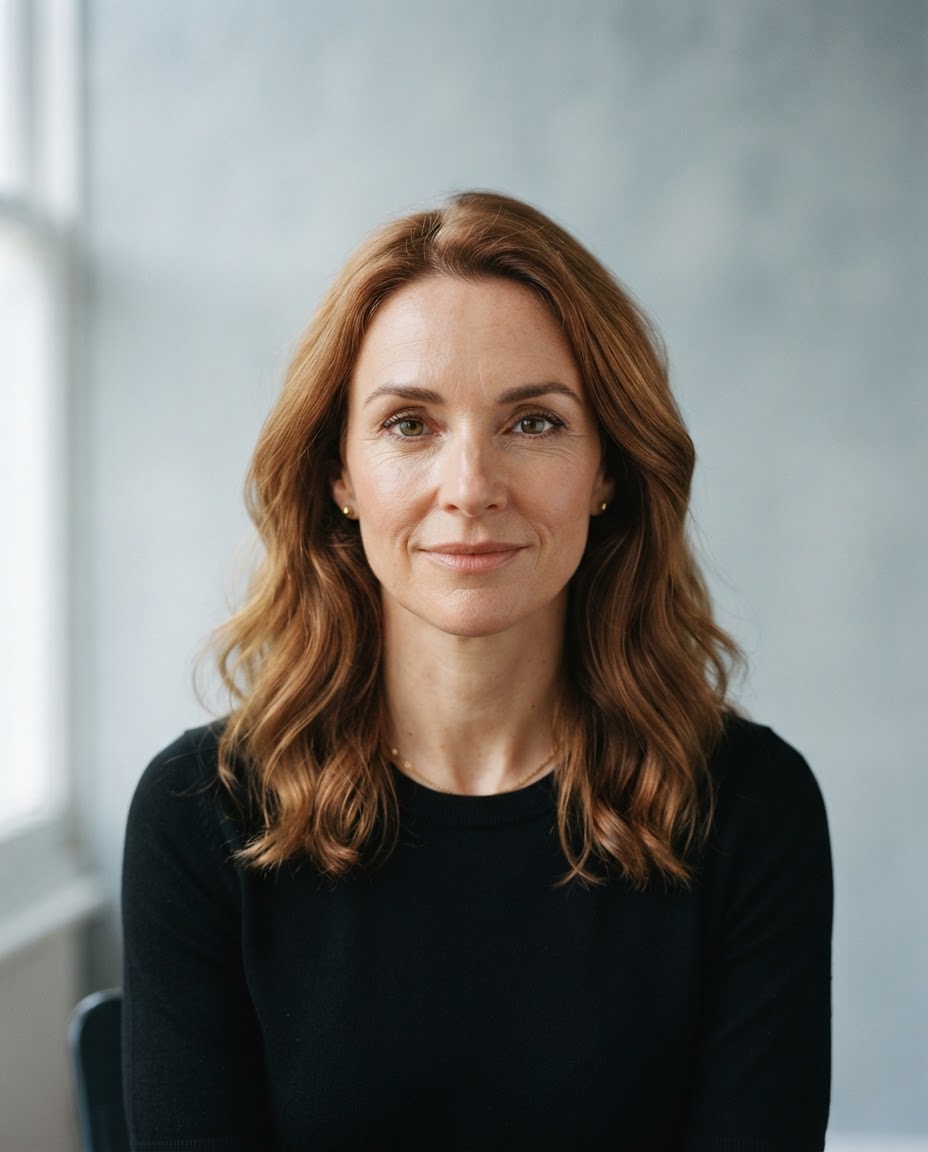
Back-End Engineer
Harriet designs dependable application logic and integrations. She brings a calm, methodical approach to data flows, operational edge cases and maintainable code.

Platform Engineer
Theo looks after the foundations that let products run predictably. He helps teams make deployment, observability and environment decisions that fit their context.
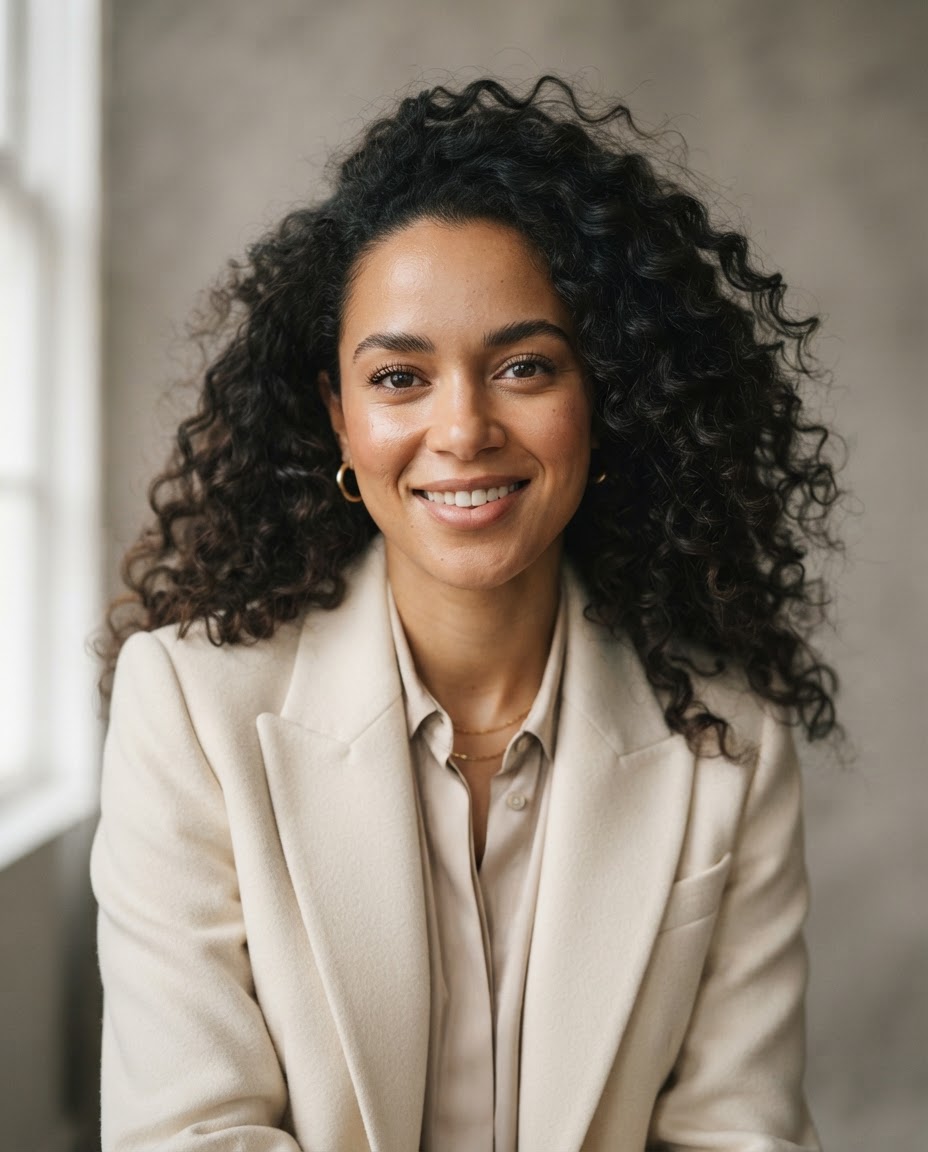
Quality Engineer
Sophie makes quality a shared habit, not a final gate. She pairs risk-based testing with practical automation and helps teams learn from real use.

Technical Architect
Jonah helps teams make architectural choices they can live with. He balances delivery needs, existing constraints and the cost of future change.
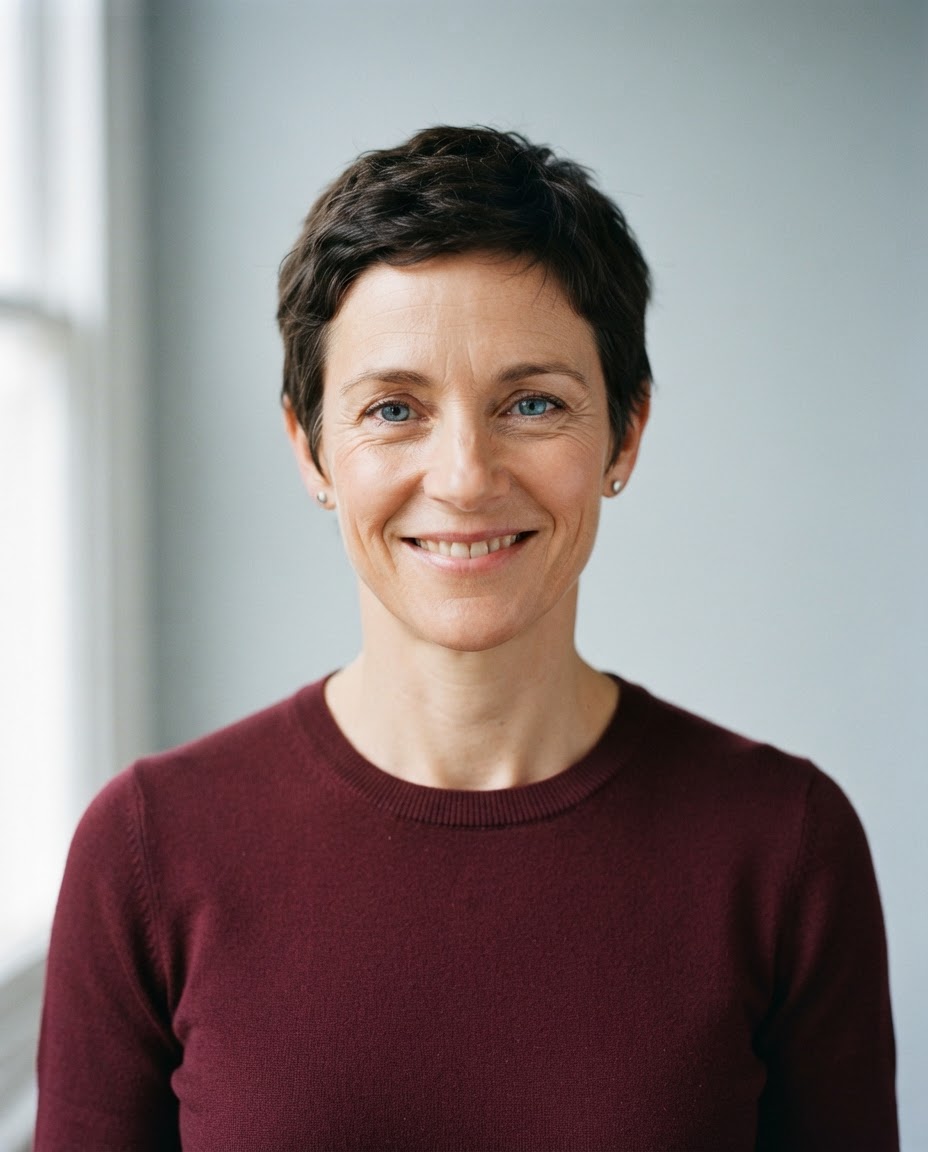
Delivery Lead
Imogen keeps collaboration honest and delivery legible. She makes risks discussable early and creates the rhythm that helps multidisciplinary teams do focused work.

Client Operations Manager
Callum makes the practical side of working together feel straightforward. He coordinates access, communication and project logistics with care and follow-through.
Collaboration, in practice
Our teams plan around shared outcomes, not department handoffs. People who research, design and build join discovery, reviews and prioritisation together. Client colleagues are part of the working team: they bring operational knowledge, make decisions and see progress as it takes shape. The result is a partnership with clear ownership on both sides and no mystery around what happens next.
Meet us around your challenge ↗